

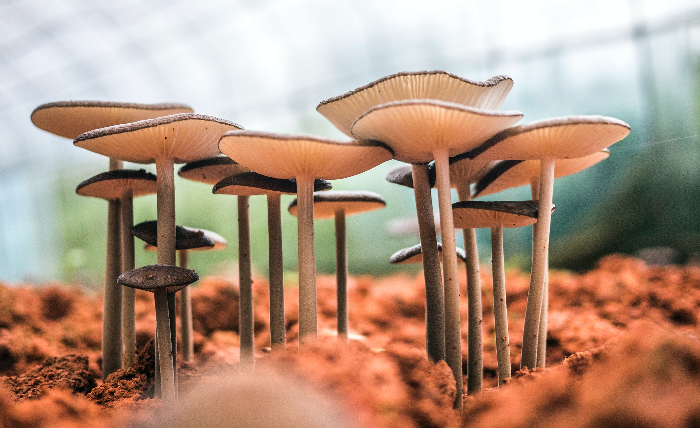
The intersection of traditional practices and modern innovation often leads to intriguing outcomes. One such product that has been generating buzz in recent times is the psychedelic mushroom gummy. At its core, Mushroom Gummies combines the ancient psychedelic properties of certain mushrooms with the contemporary preference for convenient consumption. However, the introduction of such a product into the market also raises important questions about its psilocybin content and the legal ramifications tied to it.
Unpacking Psilocybin
Psilocybin, a naturally occurring psychedelic compound found in over 200 species of mushrooms, has been consumed by humans for centuries, if not millennia. When ingested, psilocybin is converted into psilocin, which then interacts with serotonin receptors in the brain, inducing altered states of consciousness, perceptions, and emotions.
Psilocybin in Gummies: An Innovative Approach
The transformation of raw or dried magic mushrooms into gummy form has its roots in two primary motivations:
- Standardized Dosage: With gummies, manufacturers can ensure a consistent psilocybin dose in each piece, reducing the chances of accidental overconsumption. For those new to the psychedelic experience or aiming for a microdosing regimen, this precise dosing can be invaluable.
- Palatability: The characteristic earthy taste of mushrooms isn’t everyone’s cup of tea. By infusing them into gummies with added flavors, it becomes easier to mask this taste, broadening the appeal of psilocybin consumption.
Legal Landscape
The legal status of psilocybin, and by extension, psychedelic mushroom gummies, varies significantly across countries and even within regions of countries. Here’s a snapshot:
- Strict Prohibition: In many parts of the world, psilocybin, irrespective of its form, is categorized as a Schedule I drug, making its production, distribution, and consumption illegal. This classification is often based on the view that psilocybin has a high potential for abuse and no accepted medical use.
- Decriminalization Movements: Some cities and states, notably in the USA, have begun decriminalizing psilocybin, emphasizing the need for harm reduction over criminal penalties. Decriminalization doesn’t equate to legalization but generally means reduced penalties or deprioritizing the arrest of individuals for possession.
- Therapeutic Use: With mounting research suggesting the potential benefits of psilocybin in treating conditions like depression, PTSD, and anxiety, some jurisdictions are exploring its controlled use in therapeutic settings.
- Personal Use and Cultivation: A few regions allow the cultivation of magic mushrooms for personal use, but this often doesn’t extend to their processed forms, such as gummies.
Navigating the Psychedelic Terrain
For potential consumers, the diverse legal landscape means that thorough research is essential before acquiring or consuming psychedelic mushroom gummies. Even in areas where psilocybin might be decriminalised, its sale in the form of gummies could still be illegal.
Closing Thoughts
The emergence of psychedelic mushroom gummies underscores the ongoing cultural, scientific, and legal dialogues surrounding psilocybin. As the world grapples with defining its relationship with this ancient compound in a modern format, it’s crucial for individuals to remain informed, respectful, and cautious in their approach. The intertwining of science, tradition, and law in this domain is a testament to the ever-evolving nature of human society and its beliefs.