



Water is the lifeblood of our planet. It is an essential resource for all living organisms, including humans. Without access to clean and safe water, life as we know it would be impossible. However, with the growing global population and increasing industrialization, the demand for water is skyrocketing, while the supply is becoming increasingly limited.
Understanding Water Scarcity

Water scarcity is a pressing global issue that affects millions of people around the world. In this section, we will delve into the causes and consequences of water scarcity.
Causes of Water Scarcity
Population Growth
Climate Change
Pollution
Poor Water Management
Over-Extraction
Consequences of Water Scarcity
Health Issues
Food Insecurity
Ecosystem Degradation
Economic Impact
Social and Political Conflicts
The Importance of Water Conservation

Water conservation is the key to mitigating water scarcity. In this section, we will explore the significance of conserving water resources and the benefits it brings to individuals and communities.
Environmental Benefits
Protecting Aquatic Ecosystems
Preserving Biodiversity
Reducing Energy Consumption
Combating Climate Change
Economic Benefits
Lower Utility Bills
Increased Agricultural Productivity
Sustainable Industrial Practices
Job Creation
Social Benefits
Improved Public Health
Access to Clean Water for All
Community Resilience
Education and Awareness
Methods of Water Capture and Conservation
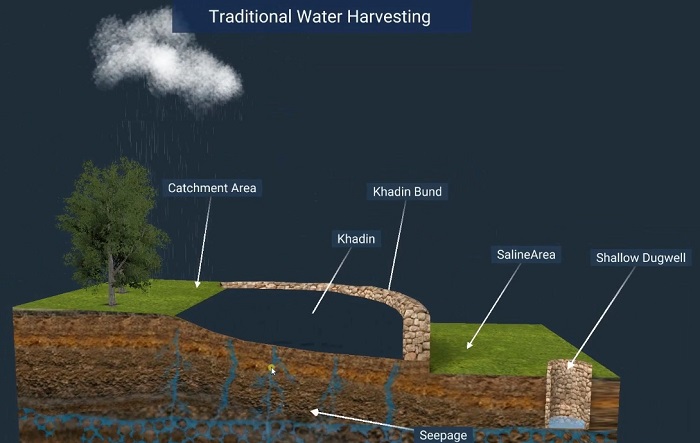
There are various methods and technologies available for capturing and conserving water. In this section, we will explore these techniques and their applications.
Rainwater Harvesting
Rain Barrels
Rooftop Collection Systems
Rain Gardens
Permeable Pavements
Greywater Recycling
Greywater Treatment Systems
Reusing Greywater for Irrigation
Laundry-to-Landscape Systems
Desalination
Reverse Osmosis
Electrodialysis
Water Reuse and Recycling
Municipal Wastewater Treatment
Industrial Water Recycling
Potable Water Reuse
Water-Efficient Technologies
Low-Flow Fixtures
Dual-Flush Toilets
Efficient Appliances
Smart Irrigation Systems
Successful Water Capture Initiatives
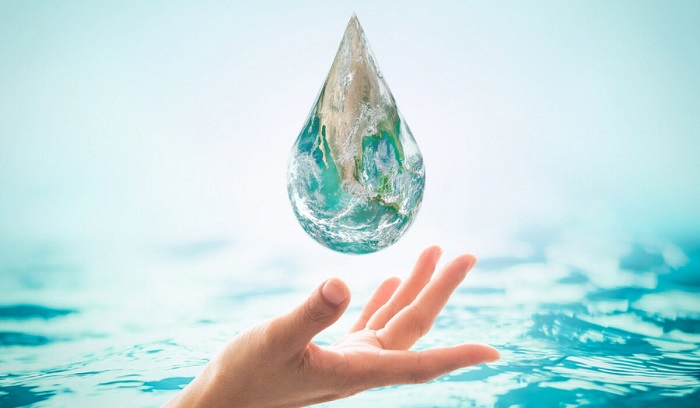
In this section, we will examine real-world examples of successful water capture initiatives from around the globe. These initiatives showcase the potential of water conservation efforts.
Singapore’s NEWater Program B. Israel’s Desalination Success C. The Rainwater Harvesting Revolution in India D. Australia’s Waterwise Campaign E. California’s Response to Drought: The Sustainable Groundwater Management Act
Challenges and Barriers to Water Capture
- Despite the importance of water conservation, there are several challenges and barriers that hinder its widespread adoption. In this section, we will discuss these obstacles and potential solutions.
- Lack of Awareness B. Financial Constraints C. Regulatory Hurdles D. Technological Limitations E. Resistance to Change
Promoting Water Capture at the Individual Level
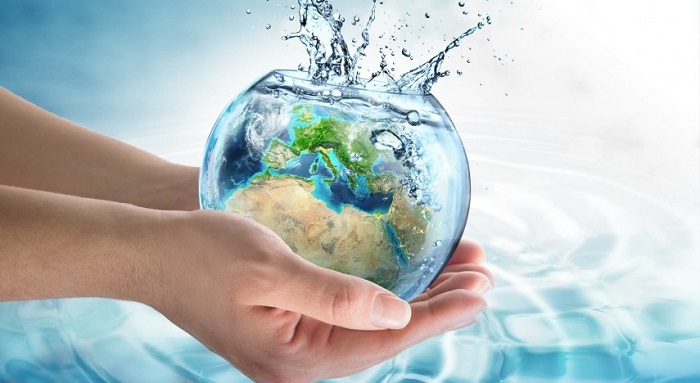
Individuals can play a significant role in water conservation efforts. In this section, we will provide practical tips and strategies for individuals to incorporate water capture and conservation into their daily lives.
Water-Efficient Practices at Home
Fixing Leaks
Using Water-Efficient Appliances
Shorter Showers and Efficient Toilet Flushing
Water-Wise Landscaping
Xeriscaping
Drought-Tolerant Plants
Mulching
Advocating for Change
Water conservation is a shared responsibility that extends beyond individual actions. While personal efforts are crucial, advocating for change at a broader level can have a significant impact on water management and conservation. In this section, we will explore the ways in which individuals and communities can advocate for policies, initiatives, and practices that promote water capture and preservation.
Education and Awareness Campaigns

One of the most effective ways to advocate for change is by raising awareness about the importance of water conservation. Education campaigns can target both individuals and communities, providing them with information on the current state of water resources, the consequences of water scarcity, and practical tips for water conservation. These campaigns can utilize various mediums, such as:
- Social Media: Platforms like Facebook, Twitter, and Instagram can be powerful tools for spreading awareness. Posting informative content, sharing water-saving tips, and using relevant hashtags can reach a broad audience.
- Workshops and Seminars: Organizing workshops and seminars in local communities, schools, and workplaces can educate people about water conservation and provide them with the knowledge and skills to implement water-efficient practices.
- Public Service Announcements (PSAs): Collaborating with media outlets to create and broadcast PSAs on television, radio, and online platforms can deliver important messages to a wide audience.
- Collaboration with Schools: Partnering with educational institutions to include water conservation in their curriculum can ensure that future generations are well-informed about the importance of water conservation.
Supporting Water Conservation Policies

Advocacy doesn’t stop at awareness campaigns. It also involves actively supporting policies and regulations that promote responsible water use and conservation. Individuals and communities can engage in the following activities to advocate for such policies:
- Petition Drives: Initiating or signing petitions that call for stricter water regulations or increased funding for water conservation projects can demonstrate public support for these measures.
- Contacting Legislators: Writing letters, making phone calls, or meeting with local and national legislators to express concerns about water scarcity and the need for effective water conservation policies can influence decision-making.
- Joining Environmental Organizations: Becoming a member of or supporting organizations dedicated to water conservation and environmental protection can amplify your voice and contribute to collective efforts to influence policy changes.
- Participating in Public Meetings: Attending local government meetings, water board meetings, and public hearings related to water management can provide opportunities to voice concerns and offer solutions.
Community Engagement

Creating a sense of community around water conservation can have a powerful impact. When neighbors and community members work together, they can implement water-saving initiatives more effectively. Here are some ways to foster community engagement:
- Neighborhood Water Challenges: Organize friendly competitions among neighbors or community groups to see who can reduce their water usage the most. Prizes or recognition can incentivize participation.
- Community Workshops: Host workshops or events where community members can learn about rainwater harvesting, greywater recycling, and other water-saving techniques together.
- Neighborhood Water Committees: Forming neighborhood water committees can enable residents to collaborate on larger-scale water conservation projects, such as community gardens or rain barrel distribution programs.
- Community Gardens: Establishing community gardens that use rainwater for irrigation not only conserves water but also brings people together in a shared sustainable endeavor.
Consumer Choices and Corporate Engagement

Consumers can influence businesses and industries to adopt water-efficient practices by making informed purchasing decisions and supporting environmentally responsible companies. Here’s how individuals can use their consumer power for advocacy:
- Supporting Sustainable Brands: Choose products and services from companies that prioritize water conservation and sustainable practices. Communicate your support to these companies and share your choices with others.
- Responsible Investment: Consider investing in environmentally responsible companies and funds that focus on sustainability, including water conservation efforts.
- Engaging with Corporations: Engage with companies through social media, customer feedback, or shareholder activism to encourage them to adopt water-efficient practices and disclose their water management strategies.
Volunteering and Participating in Water Conservation Projects

Getting involved in local water conservation projects and volunteering for organizations working on water-related issues is a hands-on way to advocate for change. These activities not only contribute directly to water preservation but also raise awareness in the community:
- River and Beach Cleanups: Participating in clean-up events along rivers, lakes, and beaches helps reduce water pollution and demonstrates the importance of protecting water bodies.
- Habitat Restoration: Joining efforts to restore and protect aquatic ecosystems can improve water quality and create habitats for wildlife.
- Water Quality Testing: Volunteering for water quality testing programs can provide valuable data for local water management decisions.
- Supporting Nonprofit Organizations: Many nonprofit organizations focus on water conservation and restoration efforts. Volunteering time or making donations can support their vital work.
Must Be Check Out:
- Diving Into Emotions: Captivating Deep Captions for Instagram
- Mastering the Art of Beauty Captions for Instagram
- Sweet Celebrations: 100 Cake Captions to Satisfy Your Instagram Cravings
Water is a finite resource, and its conservation is vital for the well-being of our planet and future generations. By understanding the causes and consequences of water scarcity, recognizing the importance of water conservation, and implementing various methods and technologies for water capture, we can work together to ensure a sustainable water future for all. It is not only a responsibility but also a necessity for the survival of our planet and all its inhabitants.