


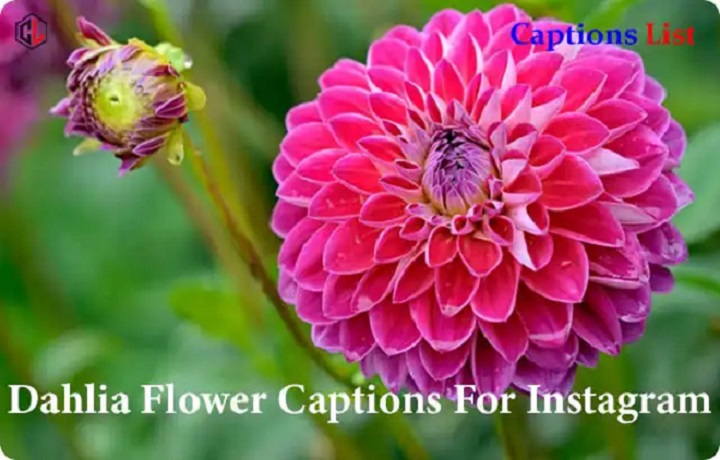
Flowers have an enchanting way of captivating our hearts and minds with their vibrant colors, delicate petals, and intricate designs. Whether you’re a professional photographer or simply love capturing the beauty of nature, flower photography can be a fulfilling and visually stunning endeavor. However, a great photograph alone may not always convey the full essence of your floral subject. That’s where flower captions come into play.
Flower Captions 1 : The Power of Flower Captions

Flowers have an incredible ability to captivate our senses with their vibrant colors, delicate petals, and enchanting fragrances. Whether you’re a professional photographer or an amateur with a passion for capturing nature’s beauty, flower photography offers a rich and rewarding creative outlet. However, beyond capturing the perfect shot, there is an often-overlooked element that can significantly enhance your floral photography experience: flower captions. In this article, we will explore the power of flower captions and how they can add depth, meaning, and emotion to your floral photography.
Elevating Visual Appeal
Flower captions serve as a vital tool in your photography toolkit, helping you enhance the visual appeal of your floral photographs. They can draw attention to specific details, colors, or shapes within the image, guiding the viewer’s eye to what you want them to see. A well-crafted caption can transform an ordinary photograph into an extraordinary one, making it more visually engaging and intriguing.
Conveying Emotions
Flowers are often associated with a wide range of emotions, from love and happiness to sadness and nostalgia. Capturing these emotions in your floral photography and conveying them through captions can create a powerful connection between your viewers and your work. A carefully chosen caption can evoke feelings that resonate deeply with the audience, leaving a lasting impression.
III. Telling a Story
Every photograph tells a story, and flower captions can be the narrative that ties it all together. Your caption can provide insights into the subject’s journey, significance, or even its symbolism. Whether it’s a story of growth, beauty, resilience, or transformation, your words can transform a simple image into a meaningful narrative that engages and resonates with viewers.
Flower Captions 2 : Types of Flower Captions
Descriptive Captions

These captions focus on providing factual information about the flower itself. They may include the flower’s scientific name, color, size, and any unique features. Descriptive captions are ideal for botanical or educational photography.
Example: “The elegant petals of the Iris sensate, also known as the Japanese iris, showcase a striking shade of deep purple, radiating a sense of royal elegance.”
Emotional Captions
Emotional captions aim to evoke feelings and sentiments related to the flower or the photograph. They can express love, happiness, sadness, or gratitude, connecting the viewer with the emotional aspect of the image.
Example: “In the tender embrace of these daisies, I find solace and a reminder that even in the simplest of moments, beauty and joy abound.”
Inspirational Captions
Inspirational captions offer words of encouragement, motivation, or inspiration. They often use the beauty and resilience of flowers as metaphors to inspire and uplift others.
Example: “Like the resilient sunflower, stand tall, face the sun, and let your inner beauty shine, even in the darkest of times.”
Poetic Captions
Poetic captions add a touch of artistry and elegance to your flower photography. They use metaphorical language, creative imagery, and lyrical phrases to create a sense of wonder and enchantment.
Example: “Each petal is a whispered secret of nature’s poetry, and the fragrance is the sweetest stanza of all.”
Flower Captions 3 : Tips for Crafting Captivating Flower Captions

Observe and Connect: Spend time observing the flower and reflecting on its qualities, colors, and the emotions it stirs within you. Form a personal connection with it before crafting your caption.
Keep it Concise: While poetic captions can be longer, it’s essential to keep your captions concise and to the point. A short, impactful caption often leaves a stronger impression.
Use Metaphors and Similes: Incorporate metaphors, similes, and descriptive language to create vivid imagery that resonates with viewers.
Consider the Audience: Think about who will be viewing your photograph and tailor your caption to resonate with their interests and emotions.
Experiment: Don’t be afraid to experiment with different types of captions to see what works best for a particular photograph. You may find that certain images are better suited to emotional captions, while others shine with poetic or descriptive ones.
Flower Captions 4 : Types of Flower Captions
Descriptive Captions
Descriptive captions focus on providing details about the flower itself. They may include the flower’s scientific name, color, size, and any unique features. These captions are ideal for educational or botanical photography.
Example: “The vibrant petals of the Rosa Ragusa, also known as the beach rose, bloom in shades of deep pink and emit a sweet, intoxicating fragrance.”
Emotional Captions
Emotional captions aim to evoke feelings and sentiments related to the flower or the photograph. They can express love, happiness, sadness, or gratitude, connecting the viewer with the emotional aspect of the image.
Example: “In the garden of my heart, your smile blooms like a radiant sunflower, bringing warmth and joy to my life.”
Inspirational Captions
Inspirational captions offer words of encouragement, motivation, or inspiration. They often use the beauty and resilience of flowers as metaphors to inspire others.
Example: “Like the lotus rising above muddy waters, find the strength within you to bloom despite life’s challenges.”
Poetic Captions
Poetic captions add a touch of artistry and elegance to your flower photography. They often use metaphorical language and creative imagery to create a sense of wonder and enchantment.
Example: “Each petal is a verse in nature’s poetry, and the fragrance is the sweetest stanza of all.”
Flower Captions 5 : Tips for Crafting Captivating Flower Captions
Observe and Connect: Spend time observing the flower and reflecting on its qualities, colors, and any emotions it evokes. Try to form a personal connection with it before crafting your caption.
Keep it Concise: While poetic captions can be longer, it’s essential to keep your captions concise and to the point. A short and impactful caption often leaves a more significant impression.
Use Metaphors and Similes: Incorporate metaphors, similes, and descriptive language to create vivid imagery that resonates with viewers.
Consider the Audience: Think about who will be viewing your photograph and tailor your caption to resonate with their interests and emotions.
Experiment: Don’t be afraid to experiment with different types of captions to see what works best for a particular photograph. You may find that certain images are better suited to emotional captions, while others shine with poetic or descriptive ones.
Flower Captions 6 : Popular Flower Captions for Different Occasions
Weddings and Anniversaries
Example: “Our love, like these roses, blooms more beautifully with each passing year. Happy Anniversary!”
Sympathy and Condolences
Example: “In the memory of a life well-lived, these lilies stand as a symbol of enduring love and heartfelt condolences.”
Celebrations and Joyous Occasions
Example: “May your days be as bright and colorful as these tulips in full bloom. Congratulations!”
Everyday Beauty
Example: “Finding beauty in the simple things – like the delicate petals of a wildflower.”
Nature and Environmental Awareness
Example: “Every flower is a reminder that nature’s beauty is worth preserving. Let’s protect and cherish it.”
Related Post:
5 Key Benefits Of Using Plant Growth Regulators In Your Lawn
The Benefits of Pursuing an Online Criminal Justice Bachelor’s Degree
Capturing Nature’s Beauty: Crafting the Perfect Instagram Captions for Your Photos
Flower captions are more than just words; they are the bridge that connects the observer to the beauty and emotion captured within a photograph. Whether you’re sharing your floral photography on social media, creating an album, or showcasing your work in an exhibition, crafting captivating flower captions can transform a beautiful image into a memorable and meaningful experience. So, the next time you find yourself behind the lens, remember the power of words and let them bloom alongside the flowers in your photographs, adding depth, emotion, and beauty to your visual storytelling.