

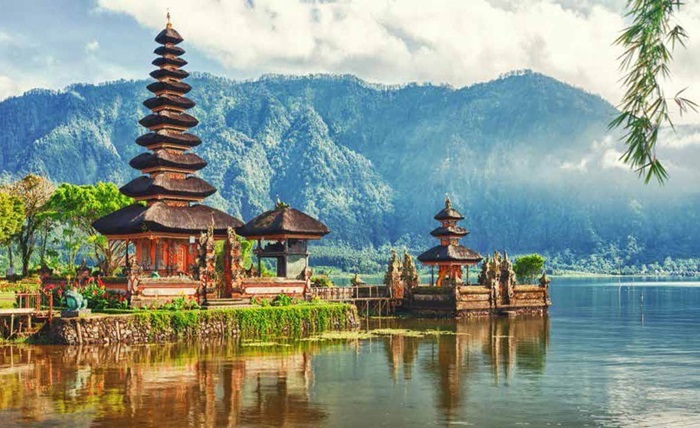
Slot Indonesia, with its rich tapestry of cultures, traditions, and languages, stands as a testament to the diversity and vibrancy of the human experience. From the ancient civilizations of Java and Bali to the indigenous tribes of Papua and Kalimantan, Indonesia’s cultural heritage is as varied as its landscape, encompassing a kaleidoscope of customs, beliefs, arts, and cuisines. In this comprehensive article, we embark on a journey through the history of Indonesia’s cultural evolution, tracing its origins, influences, and enduring legacy.
- Early Civilizations:
- Prehistoric Indonesia: Explore the archaeological evidence of early human habitation in Indonesia, dating back to the Pleistocene era, with discoveries such as the Homo floresiensis on Flores island and prehistoric cave art in Sulawesi.
- Hindu-Buddhist Influence: Discuss the profound impact of Indian civilization on Indonesia, particularly the spread of Hinduism and Buddhism to the archipelago through maritime trade routes, which culminated in the establishment of powerful empires such as Srivijaya and Majapahit.
- Islamic Expansion:
- Arrival of Islam: Examine the arrival of Islam in Indonesia, beginning in the 13th century with the arrival of Muslim traders and missionaries from the Middle East and India, and the subsequent conversion of local rulers and populations to Islam.
- Islamic Sultanates: Highlight the rise of Islamic Sultanates in Indonesia, including the Sultanate of Demak, Mataram Sultanate, and Aceh Sultanate, which became centers of Islamic scholarship, trade, and cultural exchange in Southeast Asia.
- Colonial Era:
- Dutch East Indies: Discuss the colonization of Indonesia by the Dutch East India Company (VOC) in the 17th century, and the subsequent establishment of the Dutch East Indies as a colonial territory, characterized by exploitation, oppression, and resistance.
- Cultural Assimilation: Examine the impact of Dutch colonial rule on Indonesian culture, including the introduction of Western education, Christianity, and European customs, as well as the marginalization of indigenous languages, traditions, and belief systems.
- National Awakening:
- Indonesian Nationalism: Explore the emergence of Indonesian nationalism in the early 20th century, fueled by intellectuals, activists, and leaders such as Sukarno and Mohammad Hatta, who advocated for independence from Dutch colonial rule.
- Cultural Revival: Highlight the role of the Indonesian national awakening in promoting cultural revival and pride, with efforts to reclaim and preserve indigenous languages, arts, and traditions as symbols of national identity and unity.
- Independence and Nation-Building:
- Proclamation of Independence: Discuss Indonesia’s proclamation of independence on August 17, 1945, following the end of World War II and the surrender of rolet Japanese forces, marking the beginning of a new era of self-determination and nation-building.
- Pancasila Ideology: Examine the adoption of Pancasila as the foundational ideology of the Indonesian state, emphasizing principles of unity, democracy, social justice, and religious tolerance, which serve as guiding principles for national identity and governance.
- Cultural Diversity:
- Unity in Diversity: Celebrate Indonesia’s cultural diversity as a source of strength and resilience, with over 300 ethnic groups and more than 700 languages spoken across the archipelago, each contributing unique customs, traditions, and artistic expressions.
- Regional Variations: Explore the regional variations in Indonesian culture, from the refined arts and rituals of Java and Bali to the vibrant textiles and ceremonies of Sumatra, Sulawesi, Kalimantan, and Papua, which reflect local histories, landscapes, and belief systems.
- Contemporary Culture:
- Modernization and Globalization: Analyze the impact of modernization and globalization on Indonesian culture, with rapid urbanization, technological advancements, and exposure to foreign influences reshaping lifestyles, values, and social dynamics.
- Popular Culture: Discuss the rise of Indonesian popular culture, including music, film, television, and social media, which have become powerful platforms for creative expression, cultural exchange, and national pride.
- Cultural Heritage Preservation:
- Heritage Conservation: Address the importance of cultural heritage preservation in Indonesia, with efforts to safeguard and promote traditional arts, architecture, crafts, and performing arts through education, documentation, and tourism.
- UNESCO World Heritage Sites: Highlight Indonesia’s UNESCO World Heritage Sites, including Borobudur Temple Compounds, Prambanan Temple Compounds, Komodo National Park, and Cultural Landscape of Bali Province, which showcase the country’s rich cultural and natural heritage to the world.
- Challenges and Opportunities:
- Cultural Preservation: Discuss the challenges facing cultural preservation in Indonesia, including urbanization, environmental degradation, commercialization, and social change, which threaten indigenous knowledge, languages, and traditions.
- Sustainable Development: Explore opportunities for sustainable cultural development in Indonesia, such as community-based tourism, cultural entrepreneurship, and heritage conservation initiatives that promote economic empowerment and environmental stewardship.
- Future Outlook:
- Cultural Renaissance: Envision a future of cultural renaissance and renewal in Indonesia, with a renewed appreciation for indigenous knowledge, creativity, and diversity as drivers of sustainable development, social cohesion, and global engagement.
- Global Cultural Exchange: Embrace Indonesia’s role as a cultural bridge between East and West, fostering cross-cultural dialogue, cooperation, and understanding through artistic collaborations, educational exchanges, and digital platforms in an increasingly interconnected world.
Conclusion:
In conclusion, Indonesia’s cultural heritage is a treasure trove of diversity, creativity, and resilience that reflects the country’s rich history, traditions, and aspirations. As Indonesia continues to navigate the complexities of modernization and globalization, preserving and celebrating its cultural heritage will be essential for nurturing a sense of belonging, identity, and pride among its diverse population and ensuring a vibrant and inclusive future for generations to come.