

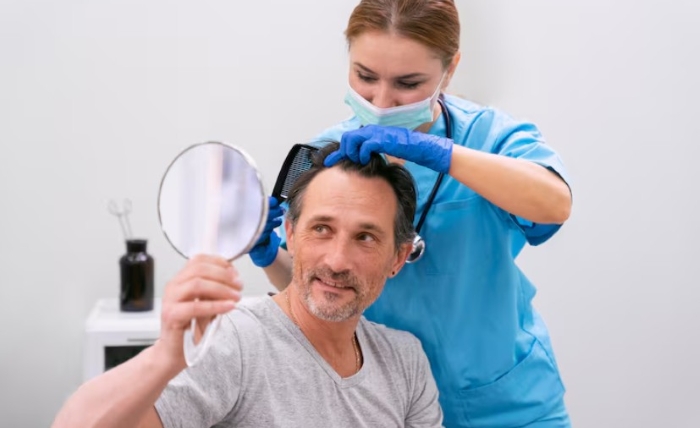
Scalp-focused plasma techniques continue gaining attention for precision-based care that prioritizes surface-level interaction. These approaches concentrate on targeted zones rather than broad coverage, allowing more controlled engagement across sensitive areas. Plasma-based scalp methods have also expanded into PRP hair loss treatment options designed for controlled environments. Interest continues growing as people explore structured approaches without dependence on external settings or rigid schedules.
How Does Scalp-Focused PRP Support Growth?
Scalp-focused PRP supports growth by directing plasma precisely toward areas where follicles show active responsiveness. Instead of spreading attention evenly, this approach concentrates interaction within defined zones, allowing the scalp to respond more efficiently. With consistent placement and timing, the surface environment becomes more receptive, supporting stronger strand development over repeated applications. Results tend to reflect gradual improvement rather than sudden shifts, reinforcing the importance of patience and regularity.
Cellular Responses Behind Scalp Revitalization
Surface-level plasma interaction encourages visible scalp changes through repeated, measured exposure. Localized engagement helps maintain balance across the scalp, supporting improved strand behavior without overwhelming sensitive areas.
Localized Surface Interaction
A focused approach concentrates attention on receptive scalp regions, allowing interaction to remain controlled and intentional. This precision helps avoid uneven influence while supporting areas that benefit most from direct plasma contact.
- Encourages consistent follicle responsiveness
- Supports improved strand texture
- Promotes visible density uniformity
Controlled Application Timing
Timing consistency plays a critical role in how the scalp adapts to plasma exposure. Even pacing helps maintain productive engagement while preventing irregular surface reactions that may disrupt progress.
- Maintains balanced surface exposure
- Reduces uneven strand behavior
- Encourages predictable response patterns
Together, these elements establish a structured interaction model where consistency and precision reinforce each other. The scalp responds best when surface engagement follows a stable, repeatable pattern over time.
Why Does Targeted Plasma Strengthen Hair?
Targeted plasma strengthens hair by concentrating interaction at the point where strands originate. The scalp receives focused engagement instead of dispersed exposure, allowing attachment points to develop improved resilience. Over time, this concentrated influence supports strands that feel more stable and visually consistent. The extent of strengthening often depends on how carefully placement and frequency are maintained throughout the process.
Structured Application Within Controlled Settings
Structured scalp methods rely on predictable routines supported by careful surface handling. Consistency improves outcomes by reducing variation during application cycles and allowing the scalp to adapt gradually.
Application Environment Control
Controlled settings help reduce external disruption during plasma interaction. Stable surroundings support focused scalp engagement and make each session easier to repeat with accuracy.
- Limits surface variability
- Encourages accurate placement control
- Supports repeatable application habits
Personalized Interaction Pacing
Pacing adjusts based on scalp response rather than rigid intervals. This flexibility allows adaptation without overwhelming surface areas that require gentler engagement.
- Supports gradual surface adjustment
- Maintains balanced strand response
- Encourages sustained engagement confidence
Scalp-focused strategies now include PRP hair loss treatment approaches tailored to individualized application pacing. This structure supports continuity while maintaining careful surface interaction standards that align with personal comfort and control.
Can This Approach Fit Personal Needs?
Yes, this approach can fit personal needs when sessions are planned thoughtfully. Scalp condition, responsiveness, and comfort influence how engagement is structured across time. Personal adaptation allows pacing changes without disrupting overall consistency, making the process feel manageable rather than restrictive. This flexibility supports confidence while maintaining focused surface engagement.
Long-Term Scalp Condition Changes
Over time, the scalp often shows improved surface balance as interaction remains consistent. Strands may appear more uniform as attachment stability improves gradually. These changes tend to reflect sustained engagement rather than immediate transformation, rewarding patience with visible strengthening and improved overall appearance.